
It’s not just color and frame material you have to think about when shopping for replacement windows. Window operating styles can influence the look of your new replacement windows, too, along with the amount or direction of air flow coming into your home when the windows are opened on a lovely 70° day.
Should you choose windows that slide up and down? Sideways? Should you keep the same style as the current windows you are replacing? Should you change it? CAN you change it? Hmmm. Window operating styles come in a surprising variety of options, each with its own advantages and appeal.
This guide will break down ten popular window operating styles: from the classic single-hung to the space-saving slider, the majestic picture window to the charming garden window. Whether you prioritize ventilation, a panoramic view or a unique architectural touch, we have the perfect window to elevate your home. Let’s embark on a journey through the world of window operation!
Single Slider Windows: Simplicity and Unobstructed Views
One of the least expensive types of windows available, and especially suited to wide windows or really large openings, the single slider window offers a classic and user-friendly operation. In a single slider, one glass panel slides horizontally side-by-side along a track within the frame, allowing you to control the amount of ventilation.
They’re low maintenance and more durable than casement windows, and single- or double-hung windows. However, they can be a bit less energy efficient than some choices. At the time of purchase, the homeowner can chose which side is fixed, and which side opens.
How a Single Slider Window Operates

Double Slider Windows: Double the Ventilation, Double the Options
Double slider windows take the single slider concept a step further. Here, the sashes on both ends can slide horizontally on the window track, instead of just one sash moving. They are available with or without a stationary center panel (depending on the width of the opening). This allows for even greater ventilation flexibility. You can choose to open just one panel for a focused breeze on either side, or slide both panels open for a more airy feel.
Double sliders are ideal for large window openings, due to the weight of the sash. It’s much easier to slide an extremely heavy object sideways than lift it up, and it’s easier on the hardware, too. Single sliders are typically the least expensive option, due to its simplicity in manufacturing, but keep in mind it offers less ventilation. The fixed sash can’t open.
How a Double Slider Window Operates

Single-Hung Windows: A Budget-Friendly Classic
Single-hung windows offer a timeless design that’s both functional and cost-effective for window openings that are taller than they are wide. Featuring one fixed upper sash and a lower sash that slides vertically, they allow for easy ventilation control. This simple up-and-down design makes them a popular choice for basements, attics, or anywhere you desire airflow without sacrificing valuable wall space.
The drawback? While you’re saving money, it can be extremely challenging to clean the glass on single-hung windows if you have a two- or three-story home. Removing screens and washing upper story windows typically requires the use of a ladder, so many homeowners hire professionals.
How a Single-Hung Window Operates

Double-Hung Windows: Unmatched Versatility and Easy Cleaning
Double-hung windows elevate functionality to a whole new level. Both the upper and lower sashes in these windows slide vertically, up and down, providing you with maximum control over ventilation and air circulation.
Need fresh air from below? Slide open the bottom sash. Want to capture a cool breeze that won’t stir papers on your desk, blows out heat naturally rising to the ceiling, or that prevents a cat from going out the window? Open the top sash. This versatility is useful.
Double-hung windows are also champions of easy cleaning, as both sashes can be tilted inwards for effortless wiping, even on higher floors. While slightly more expensive than single-hung options, double-hung windows offer superior functionality and cleaning convenience.
How a Double-Hung Window Operates

Casement Windows: Champions of Energy Efficiency and Breezy Ventilation
Casement windows are superstars of energy efficiency, second only to picture windows, which don’t open at all. They achieve this feat through their innovative hinging system. Unlike sliding windows, which can develop slight gaps over time, casement windows operate with a crank mechanism that swings the entire sash outward. This creates a tight seal against the frame on all four sides, minimizing air infiltration and heat transfer. This makes them a fantastic choice for climates with extreme temperatures, like the Sonoran Desert.
Casement windows offer excellent ventilation capabilities, as you can open them wide to capture refreshing breezes. While they project outward when open, which might be a consideration for limited space, their clean lines and unobstructed views make them a popular choice.
One other drawback is that the hinged side remains closed, like a door that opens outwardly, so the direction of the breeze determines the amount of air coming into the home. Wind blowing toward the opened side flow right into the home, caught by the opened sash, and wind flowing from the hinged side simply flow over the angled sash and are directed away from the home.
How a Casement Window Operates

Awning and Hopper Windows: Smart Ventilation for Specific Needs
While awning and hopper windows might appear similar at first glance, they each boast unique functionalities. Awning windows hinge at the top and open outward from the bottom, like a miniature glass awning. This design excels in capturing cool breezes coming from either direction, and deflecting rain, which makes them ideal for basements, bathrooms or rooms prone to moisture. Hopper windows, on the other hand, hinge at the bottom and open inward at the top, perfect for venting hot air that’s lingering up by the ceiling. They’re ideal for kitchens; bathrooms, too, if paired with privacy glass. They’re also useful for keeping pets and animals from entering or exiting through the window, or placing in tight spaces where a window can’t open outward.
How an Awning Window Operates

Bay and Bow Windows: Expanding Your View and Living Space
Bay and bow windows are not just window styles; they’re architectural statements. Bay windows project outward from the wall in a three-dimensional box shape, typically featuring a central picture window flanked by angled casement or single-hung windows. Bow windows, on the other hand, create a gentle curve outward using multiple angled windows.
Bow and bay windows have a pillar of wall between each window, simplifying installation, which is often four- to six-inches wide.
Both styles offer expansive views, increased natural light, and a feeling of spaciousness in your room. Bay windows provide more functional space, while bow windows offer a softer, more continuous panoramic view.
Either can be paired with a window seat or shelving underneath. These stunning window combinations are perfect for living rooms, dining nooks, or anywhere you crave an extra dose of sunlight and breathtaking views.
How a Bay Window Operates

Garden Windows: A Touch of Greenery and Fresh Air
Similar to a bay window but created to form a protruding shelf, garden windows are a charming and functional way to bring the outdoors in. They’re commonly used in a kitchen above the sink, proving a small shelf-like area for herbs or houseplants. Typically made from all non-operational windows, or operational windows on the sides and a picture window in the front, the protrusion allows ample sunlight into the area, ideal for displaying houseplants or growing herbs.
Garden windows add a touch of whimsy and greenery to your kitchen or living space. However, since the panels are joined to each other on each side of the center panel, instead of mounting to the exterior wall, they are prone to leaks.
How a Garden Window Operates

Picture Windows: Non-Opening, Unobstructed Views
Picture windows are designed for one thing: breathtaking views. Unlike operational windows, picture windows are stationary, offering expansive glass panes to capture the beauty of your surroundings with no ability to open the window. They’re a solid piece of glass in a frame. Whether it’s a panoramic landscape, a charming cityscape, or a tranquil garden, picture windows bring the outdoors in with no mullions to block the view, transforming your living space into a haven of light and connection with nature.
Their fixed nature makes them highly energy-efficient, since they are fully sealed at all times. While picture windows don’t provide ventilation, they can be strategically paired with operational windows to create a well-ventilated and visually stunning space. For example, a wall can have ceiling-height, rectangular picture windows taking up the majority of the wall space, with sliding or hopper windows underneath for ventilation. It’s also common to see a single- or double-hung window topped with a half-circle picture window.
Picture windows come in almost any shape, including rectangles, squares, circles, half-circles, octagons, and other special or custom shapes.
Picture Windows Do Not Open or Close


See & Test the Different Operating Styles in Our Phoenix Showroom
Gone are the days of limited selection! At DunRite Windows & Doors, our experienced consultants will guide you through a diverse range of window operating styles from leading manufacturers. We take pride in exceptional installation, ensuring your new windows not only look stunning but function flawlessly for years to come. Let’s discuss your needs and create a window solution that reflects your style and enhances your home’s beauty and comfort. Schedule your in-home appointment, or if you’d prefer to see and operate the different styles, we can have your consultation at our showroom.
Open the door to a brighter, more energy-efficient future!
Published July 16, 2024
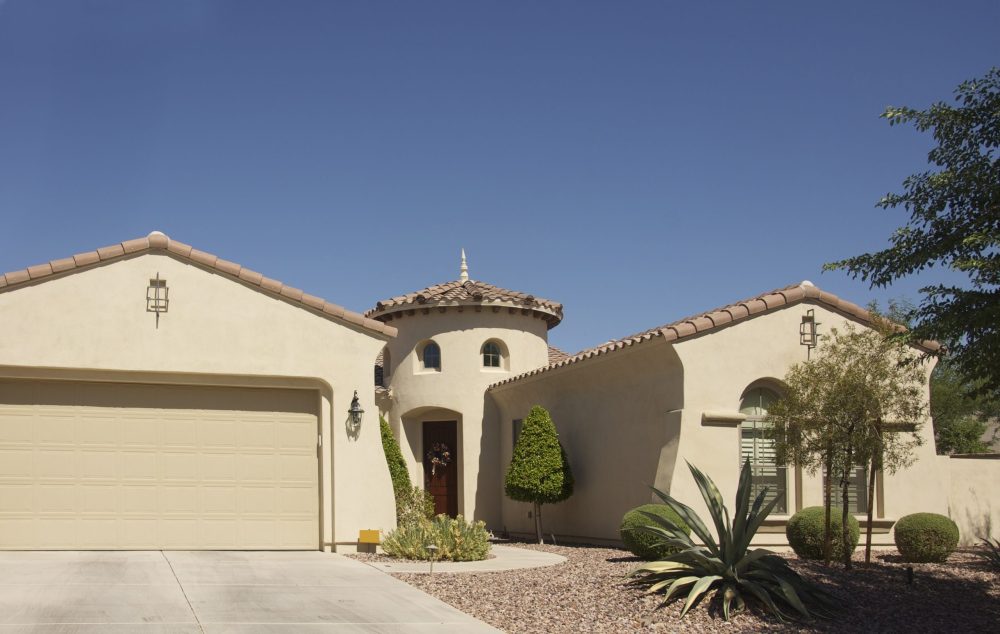
Top Image: Phoenix AZ home, windows are single sliders topped with a non-operational picture window to let in more light.
Anlin GIF animations, used with permission.